Estimating the Cost of Land Clearing with Bush Hogs
An overview of the factors influencing the expenses associated with land bush hogging, a vital service for land management and maintenance.
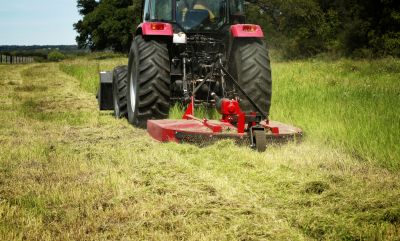
Larger plots require more time and equipment, increasing overall costs.

Rough or uneven terrain can elevate operational difficulty and expenses.

Different machinery impacts costs based on size, power, and efficiency.
| Factor | Impact on Cost |
|---|---|
| Land Size | Larger areas incur higher costs due to increased labor and equipment use. |
| Terrain Complexity | Challenging terrains demand specialized equipment and more time. |
| Accessibility | Difficult access points can increase setup and transportation costs. |
| Equipment Type | Advanced machinery may cost more but can reduce time and labor. |
| Seasonality | Peak seasons may lead to higher prices due to increased demand. |
| Location | Regional differences can influence service rates. |
| Land Condition | Overgrown or rocky land may require additional preparation. |
| Service Frequency | More frequent bush hogging can alter overall costs. |

Different types of bush hogging equipment influence costs based on size and power.

Specialized blades for tough vegetation may add to service expenses.
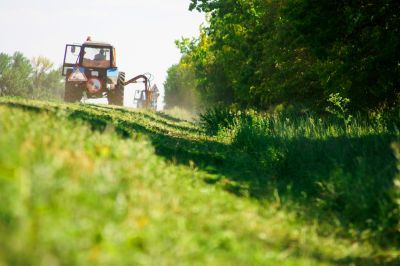
Prepping land for bush hogging can involve additional costs for clearing or grading.
| Service | Average Cost |
|---|---|
| Basic Land Clearing | $200 - $500 per acre |
| Overgrown Field Maintenance | $150 - $400 per acre |
| Rough Terrain Bush Hogging | $250 - $600 per acre |
| Heavy Vegetation Removal | $300 - $700 per acre |
| Fence Line Clearing | $150 - $350 per acre |
| Roadside Maintenance | $200 - $450 per mile |
| Pasture Maintenance | $180 - $400 per acre |
| Rough Land Grading | $500 - $1500 total |
Additional factors such as seasonal demand and regional pricing differences also impact costs. Engaging with experienced service providers ensures that land management is performed efficiently, considering the specific needs of the terrain and vegetation. Accurate assessment of land conditions and requirements can lead to more precise cost estimates and optimal service outcomes.